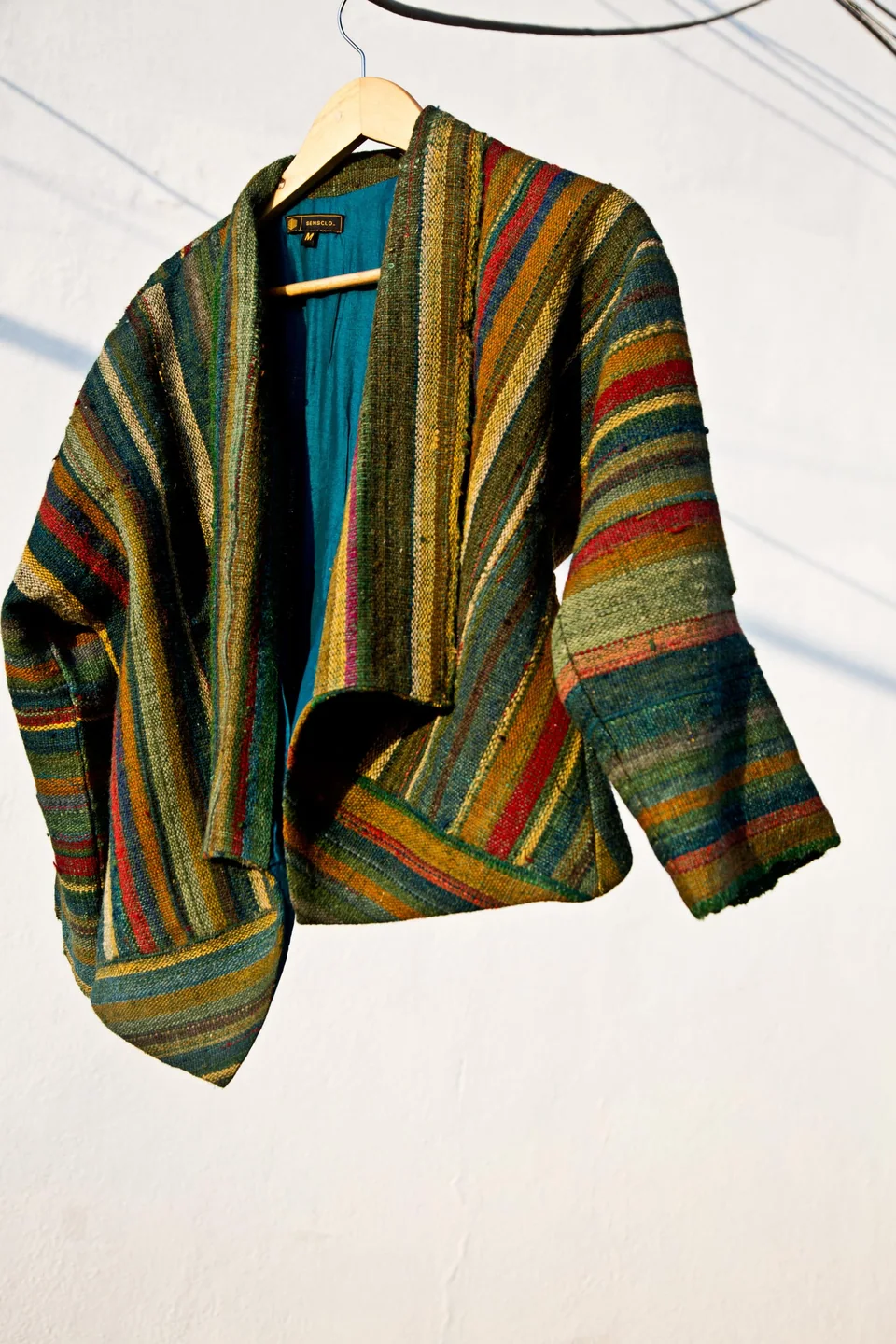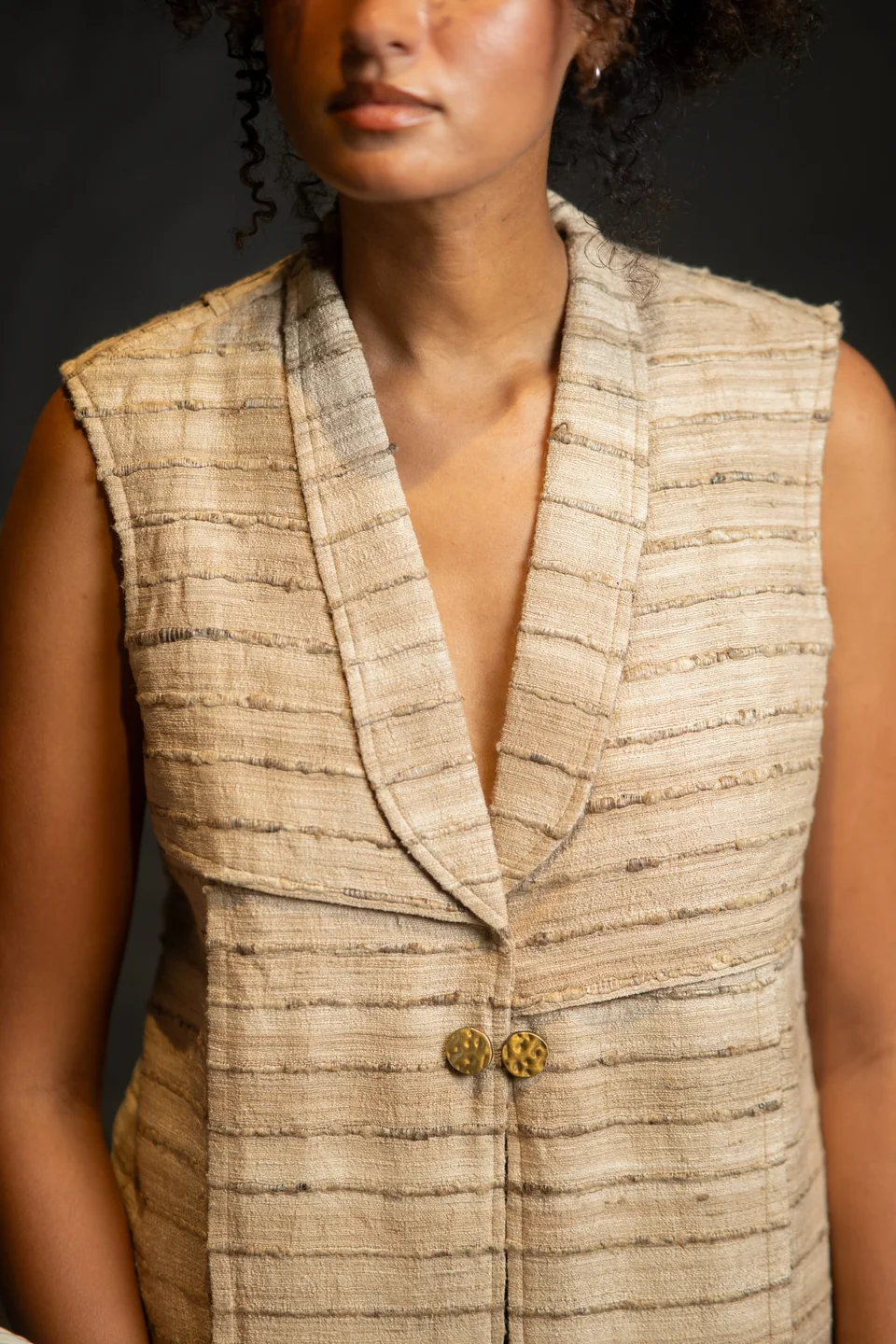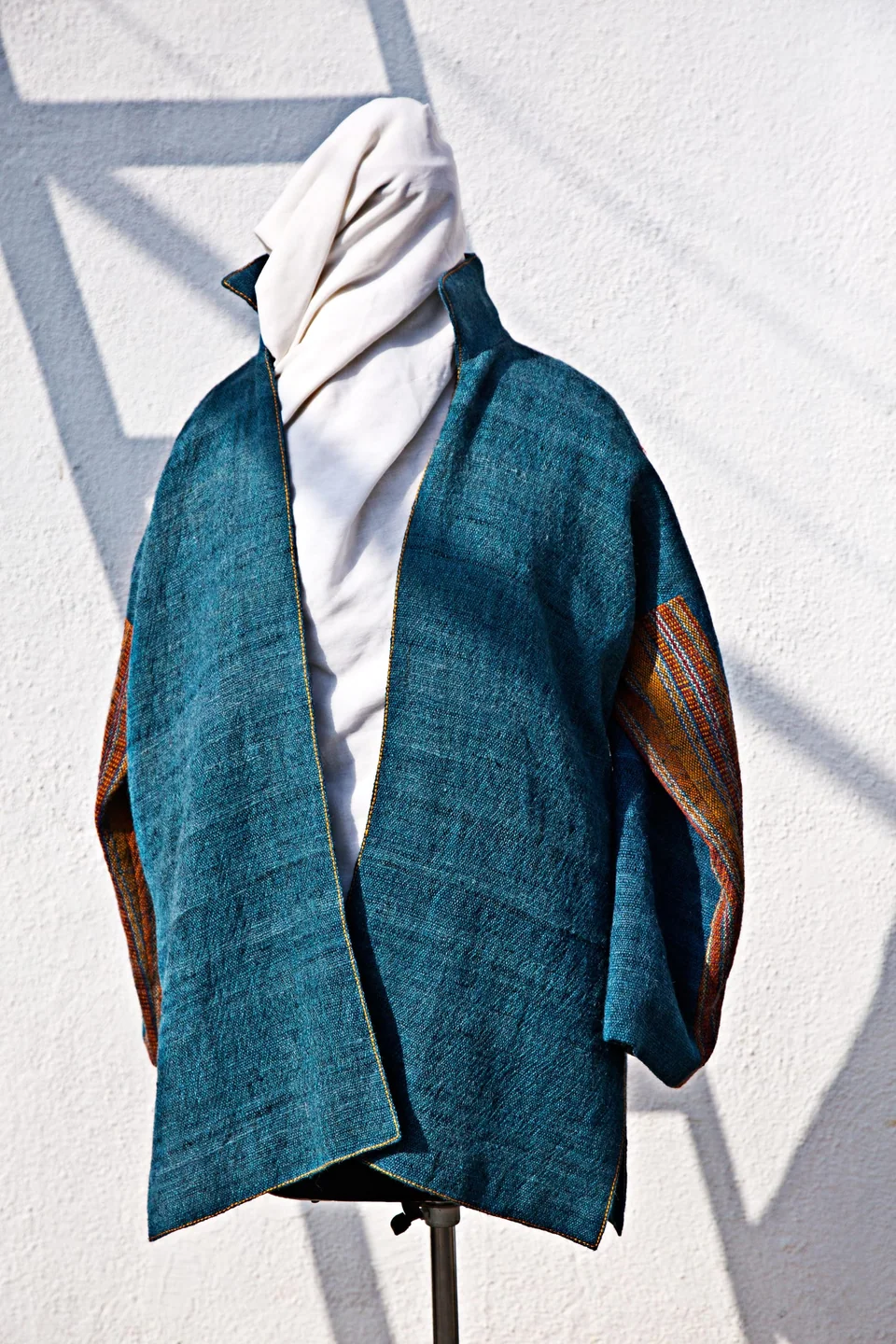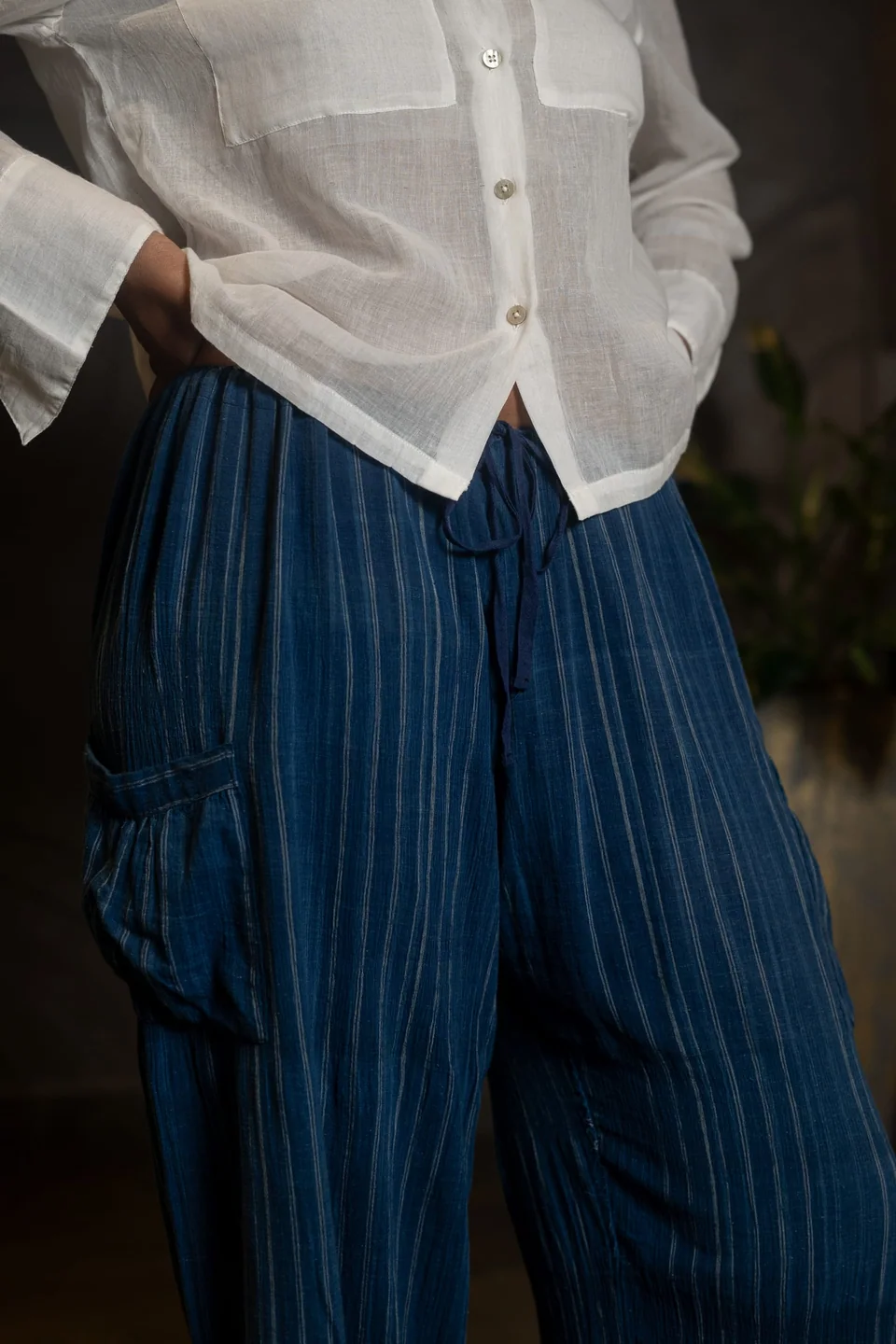
Deccan, Karnataka, Fulia, West Bengal and Bhujodi, Kutch
Handloom
Woven across the country, from West Bengal to Telangana, Gujarat, Karnataka and Maharashtra.

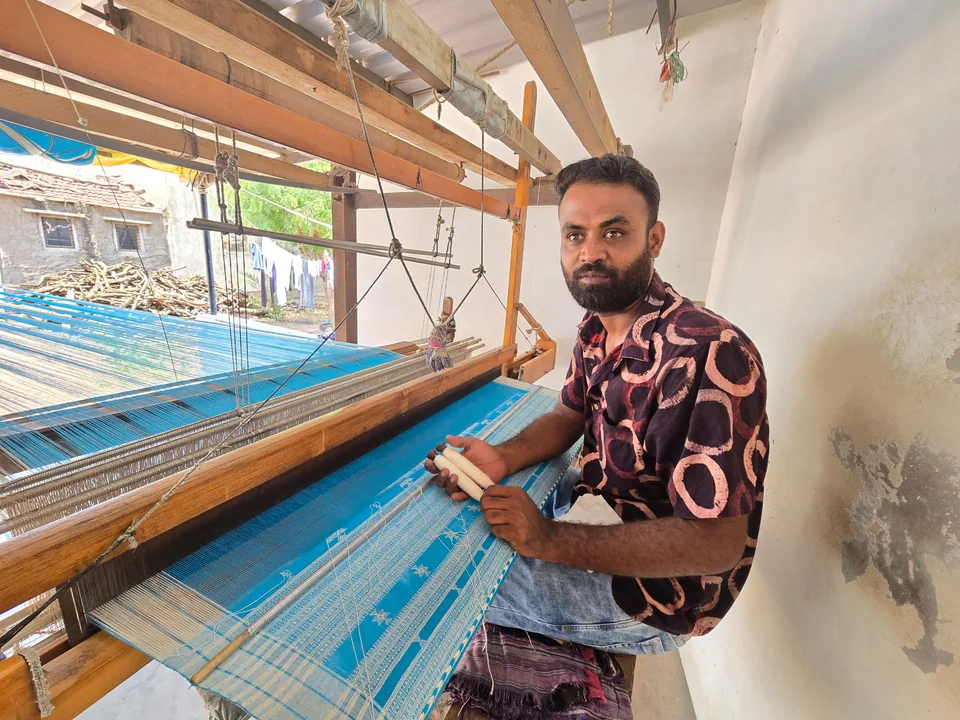
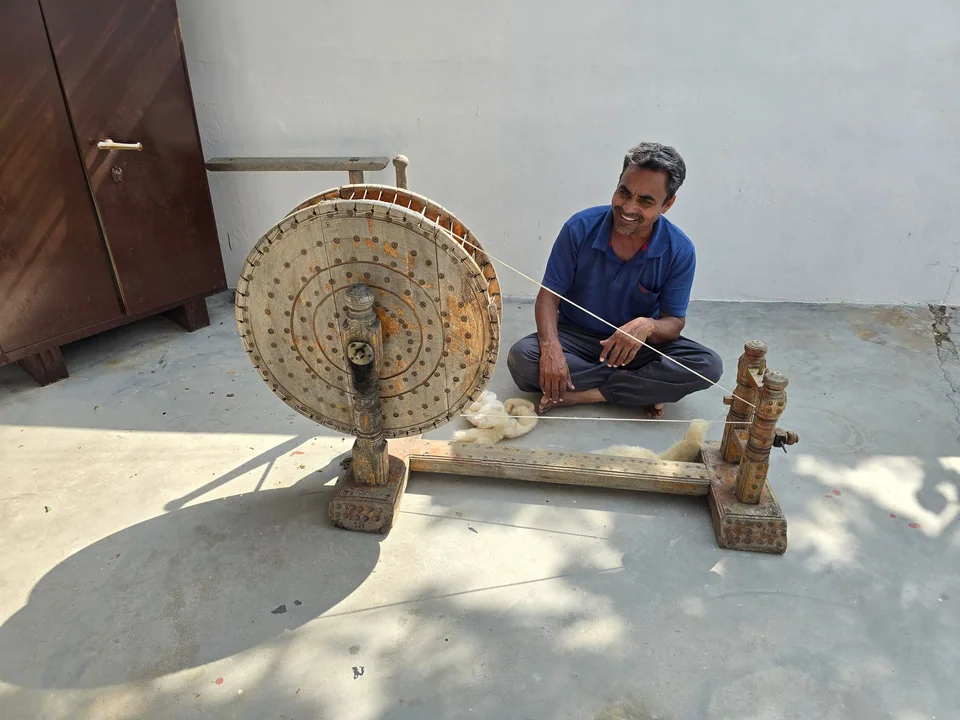
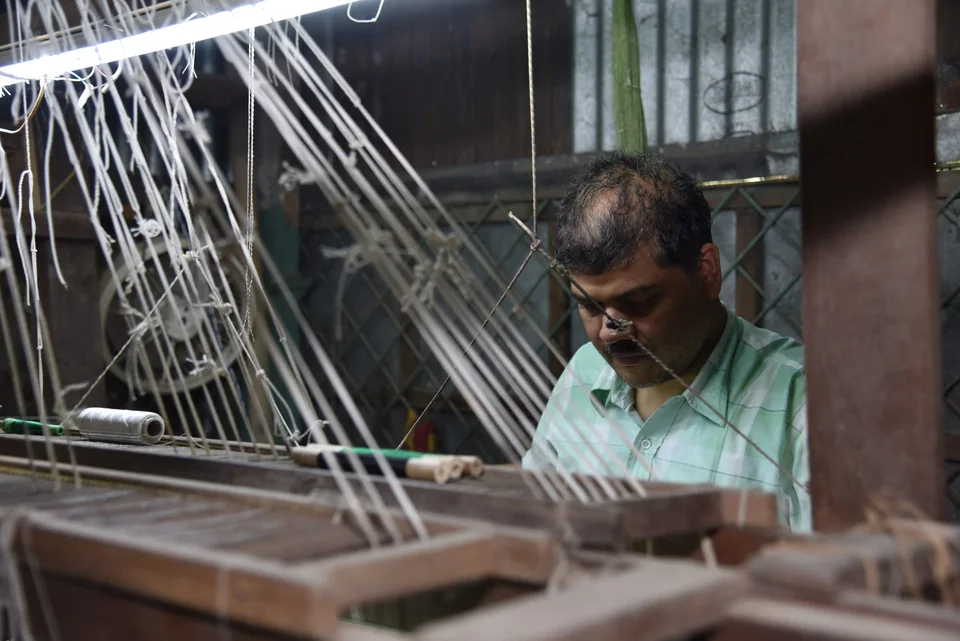
Weaving is one of the oldest and most widely practised methods of fabric creation, honed and refined over thousands of years. Handloom refers to wooden frames used by skilled artisans to weave fabrics from natural fibres. It operates as a cottage industry where entire families are involved, from spinning the yarn to colouring and weaving.
The origins of Indian handloom can be traced back to the Indus Valley civilisation. During British rule, India's textile industry suffered as the country became primarily an exporter of raw cotton. In response, Mahatma Gandhi initiated the Swadeshi Movement, advocating for hand-spinning and promoting Khadi, a movement that marked a significant turning point in the Indian independence struggle.
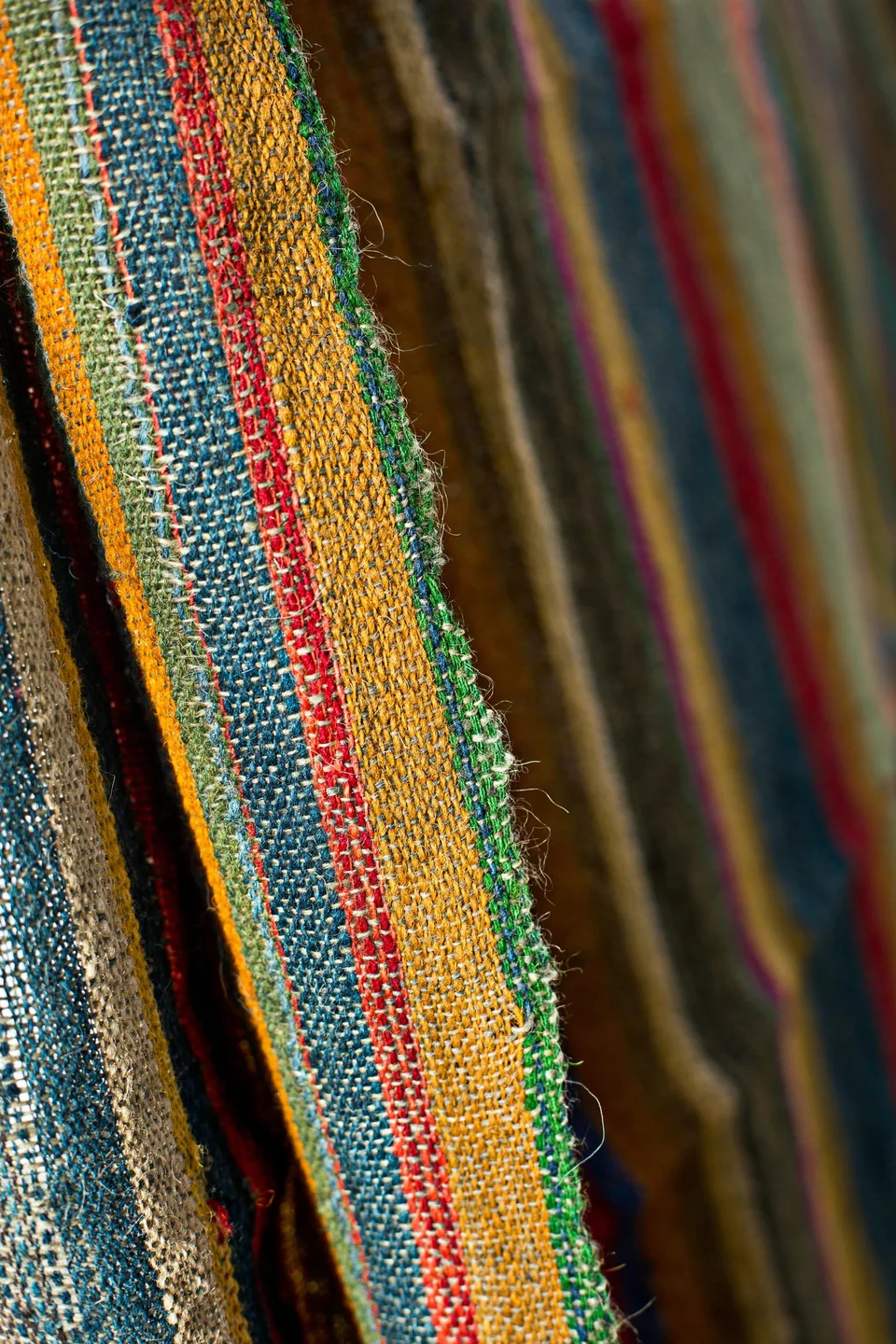
One of the distinctive qualities of handloom fabrics is that no two pieces are alike. Even if two weavers with similar skills weave the same fabric, it will exhibit subtle differences. That difference is the whole point.
Why no two match
Put two weavers of equal skill on the same design, with the same yarn on the same kind of loom, and the two lengths will still come out different. The tension in the warp shifts through the day. The beat of the reed lands a little harder or softer. The cloth keeps a record of all of it, in the density of the weave and in tiny differences of width.
This is why a handloom cloth and a powerloom copy of it feel different in the hand before you have looked closely at either. The powerloom does the same motion identically, thousands of times. The weaver cannot, and after a few metres the cloth shows who made it.
Where ours comes from
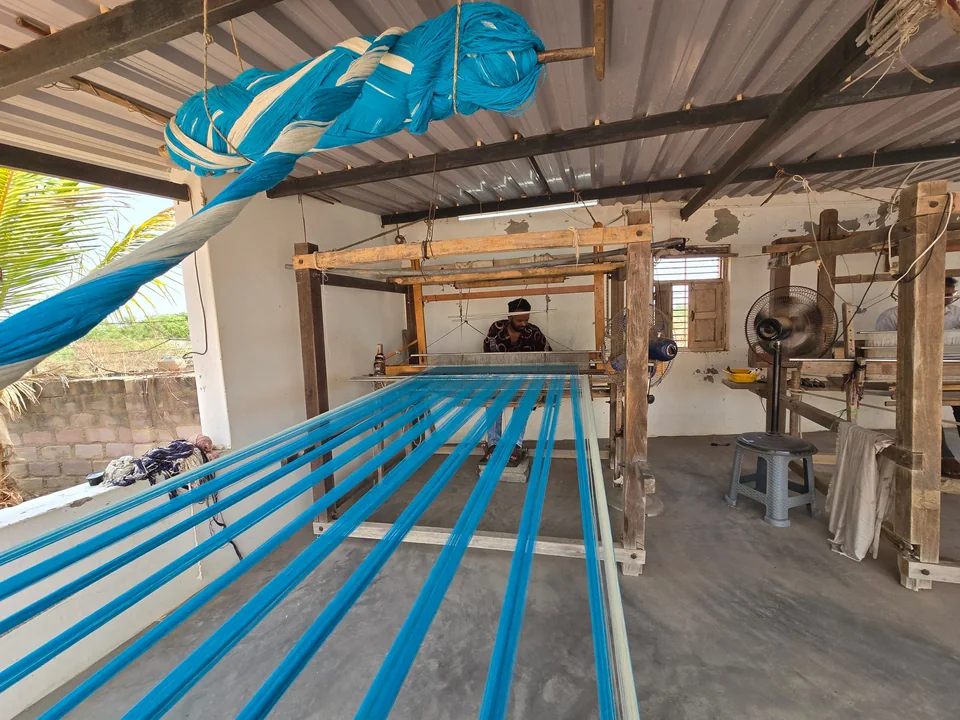
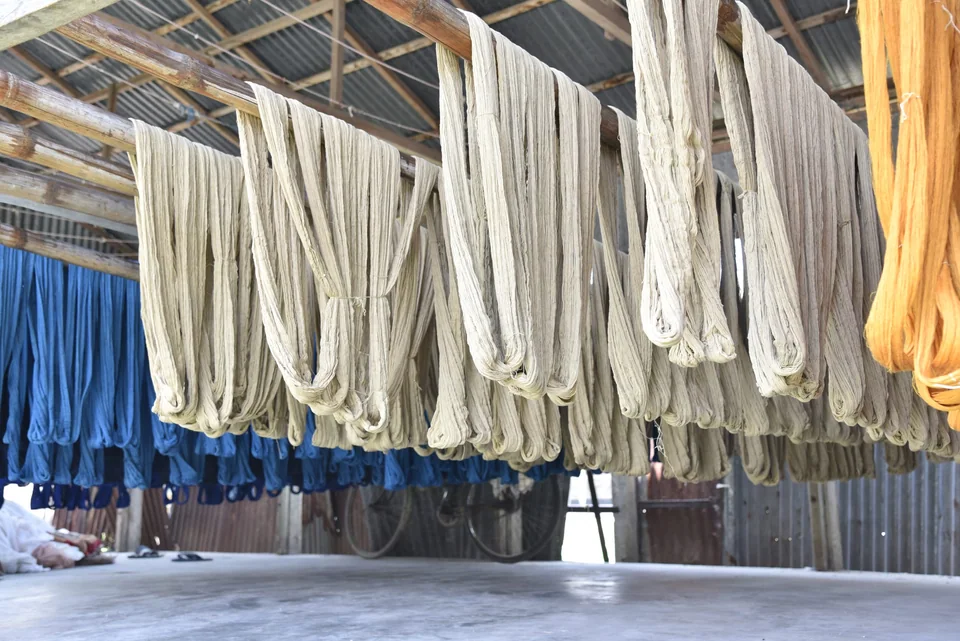
Our handloom comes from silk, cotton and weavers from across the country. From West Bengal to Telangana to Gujarat to Karnataka and Maharashtra. Different states, different traditions. In Fulia the loom stands in the house and the yarn is wound on the veranda. In Bhujodi the wool is spun and dyed and woven within a few streets of each other. In Deccan, the clack of the pit loom sounds. In all these places every length of cloth carries its own signature.
In the making
Wearing it
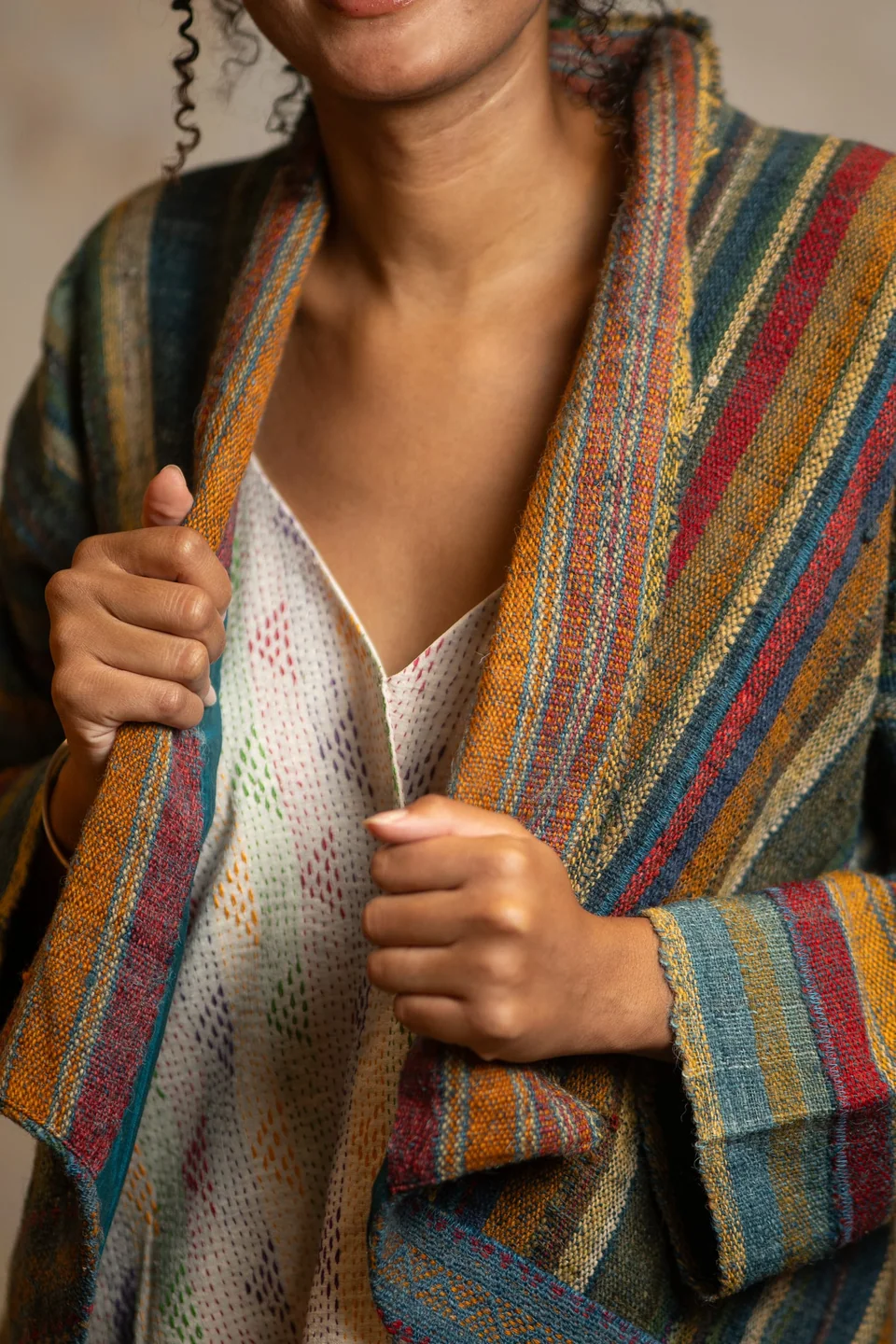
What we have made with Handloom.
From the archive